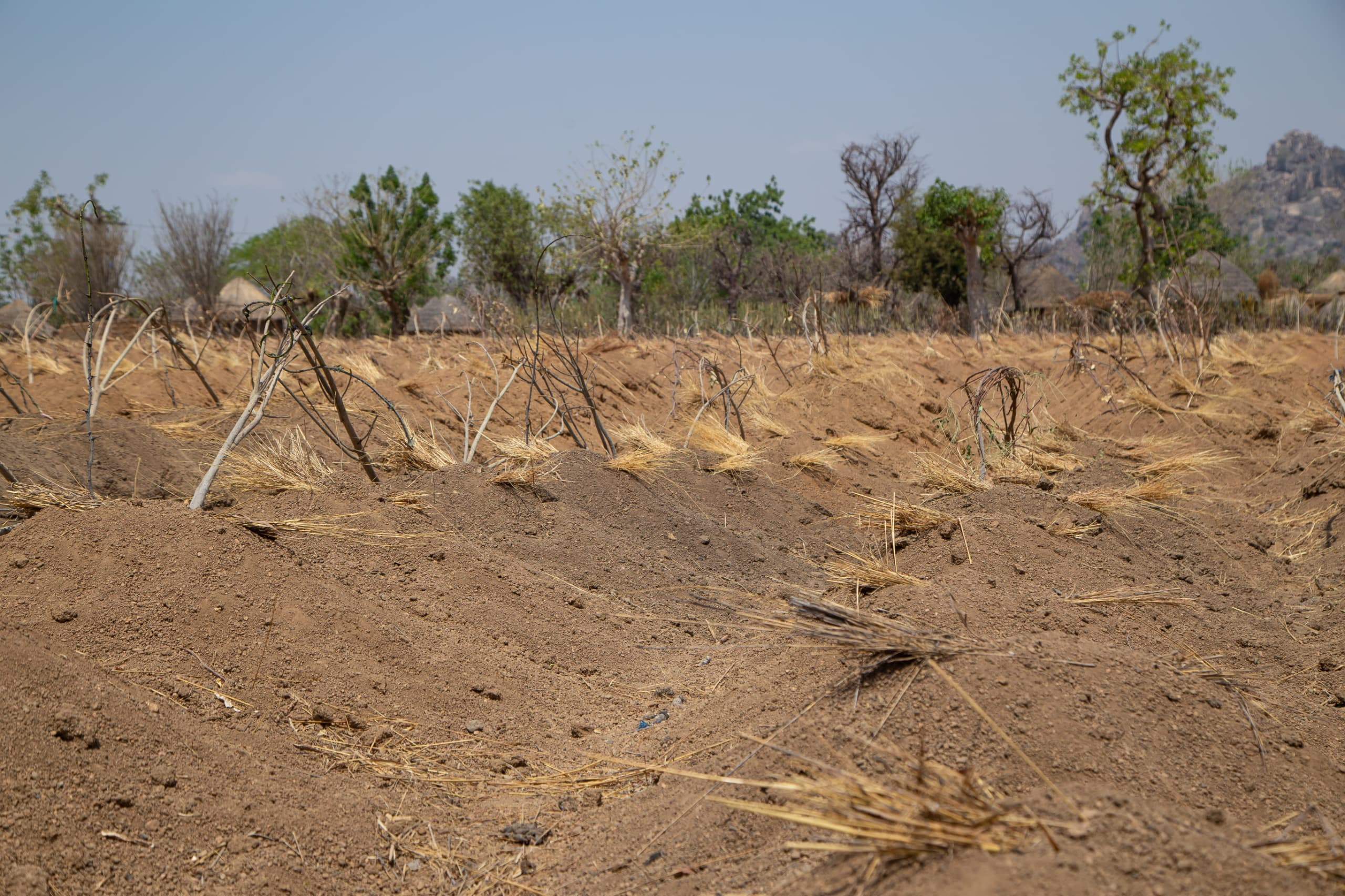
In the fertile agricultural belt surrounding the Kumba Basin, seasonal rains have historically brought life to smallholder farms. However, shifting climate patterns across the South West Region have turned traditional rainfall into severe downpours that wash away fertile topsoil, leach crucial organic nutrients, and destroy young cassava and maize crops.
For local farming households relying on micro-acreage for both daily food and market income, soil erosion threatens long-term food security. Through CRUDEF’s sustainable agriculture initiatives, smallholder farmers are learning and implementing practical climate-smart field practices to protect their soil and stabilize crop yields.
1. Organic Composting & Mulching
Traditional slash-and-burn clearing leaves soil exposed directly to heavy rains and scorching sun.
-
Cover Cropping & Mulching: Farmers learn to cover exposed soil between crop rows with organic crop residues and nitrogen-fixing cover plants. This protective layer reduces direct raindrop impact, retains soil moisture during dry spells, and naturally suppresses weeds.
-
On-Farm Composting: Transforming agricultural waste, dry leaves, and organic matter into nutrient-dense compost reduces reliance on costly chemical fertilizers while restoring the natural soil microbiome.
2. Contour Plowing & Soil Terracing
On sloped farmland around [INSERT SPECIFIC VILLAGES/DISTRICTS e.g., Kumba Sub-Division], runoff water quickly gains momentum, cutting deep gullies into the land.
-
Contour Ridging: Building planting ridges along the natural slope contours of the land rather than up and down hills slows down water runoff, forcing rainwater to soak directly into the root systems.
-
Vetiver Grass Barriers: Planting deep-rooting native grasses along field boundaries binds the soil together, creating natural living barriers that trap sediment before it washes out of the farm.
3. Crop Diversification & Agroforestry
Relying solely on a single crop increases vulnerability to sudden weather changes or pest outbreaks.
-
Intercropping Resilience: Integrating shade trees, legumes, and root crops onto the same parcel of land creates a balanced ecosystem that improves soil structure, enhances nitrogen levels, and ensures farmers harvest food throughout the entire year.
Field Impact: Over 1,200 smallholder farmers across the Kumba Basin have completed climate-smart field training, resulting in an average yield recovery of 35% within the first harvest cycle.
