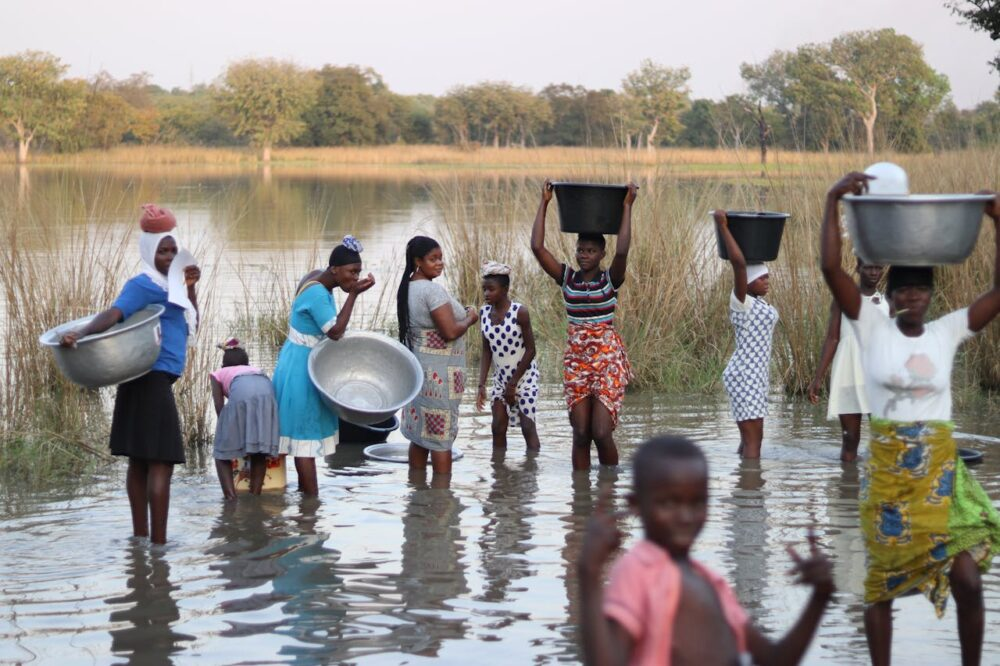
In rural communities across the South West Region, the challenge of securing clean water is deeply tied to child education, particularly for young girls. When villages rely on contaminated streams or distant, broken hand-pumps, the physical burden of fetching water falls disproportionately on school-aged children.
The Daily Burden on Rural Youth
Before sunrise, young girls in remote villages like Kupe-Muanenguba begin a multi-mile trek to open streams to collect water for their families’ morning cooking and washing needs. Carrying heavy containers across rough terrain leaves children exhausted before the school day even begins. Furthermore, frequent waterborne illnesses—such as typhoid and dysentery—cause students to miss weeks of school every term, falling behind in their education.
The Solar Infrastructure Solution
CRUDEF’s solar-powered borehole systems eliminate these obstacles by tapping into deep, purified water aquifers directly within community centers.
-
Zero Grid Dependence: Utilizing high-efficiency solar panels and submersible pumps, these systems pump clean water into elevated distribution tanks without requiring costly or unreliable electrical grid access.
-
Continuous Flow: Solar energy ensures that water points remain fully operational throughout the day, providing instant access to clean drinking water near schools and residential areas.
The Ripple Effect on Education
When clean water becomes readily accessible within a village:
-
School Attendance Rises: Girls no longer spend morning hours trekking to distant water sources, allowing them to arrive at school on time.
-
Illness Rates Drop: Clean, safe drinking water eliminates waterborne diseases, ensuring students remain healthy and active in class.
-
Community Ownership: Local Water Management Committees maintain the solar infrastructure, keeping water flowing safely for years to come.
